

What Drives the Cost of a Custom Home in Dallas–Fort Worth
Ask a handful of Dallas–Fort Worth builders what a custom home costs and you will hear very different answers. That spread is real. "Custom" describes three genuinely different products built by different kinds of teams, and the choices behind each one add up quickly. On the same lot, at the same size, two custom homes can land on completely different budgets. Here is what actually moves the number.
The three tiers of custom building in DFW
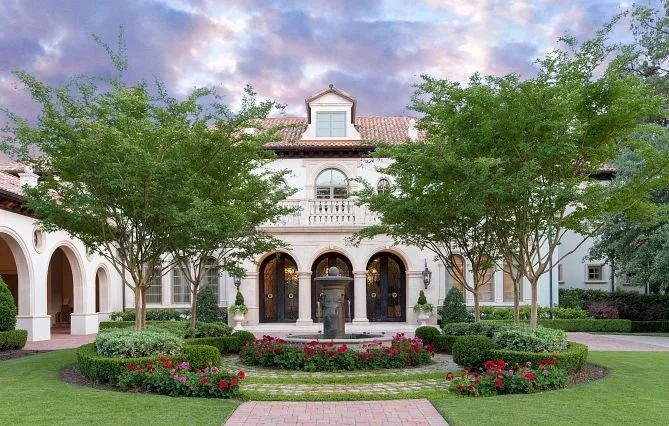
Custom home construction in Dallas–Fort Worth generally falls into three tiers. Size has little to do with which tier a home lands in. What separates them is how much of the house is drawn, decided, and built specifically for you.
One thing to watch when comparing bids: how each builder measures the house. Pricing per air-conditioned square foot is standard practice. Some builders quote per square foot under roof, which counts garages and covered porches, so their figure looks lower than it really is.
| Tier | Who it's for | What it actually buys |
|---|---|---|
| Entry custom | Buyers who want a quality home with personal touches and a predictable scope. | A modified stock or semi-custom plan set. Production-grade windows, standard ceiling heights, painted MDF trim, stock cabinetry with upgraded doors, builder-grade HVAC zoning, and tile and quartz from a defined selection list. Excellent value, limited deviation. |
| True custom | Families who want a home designed around their lot and how they live. Most DFW custom homes live here. | A plan drawn for your lot and your family by an architect. Clad or aluminum-clad wood windows, taller ceilings, site-built or shop-built painted and stained millwork, real stone and slab counters, multi-zone HVAC with proper load calculations, structured wiring, and lighting design. |
| Ultra-luxury | Clients commissioning a one-of-a-kind residence, with the timeline to match. | Fully bespoke architecture with steel windows, dramatic ceiling heights, groin vaults and coffered ceilings, imported stone, custom cabinetry from a dedicated shop, specialty plaster and paneling, full home automation, an elevator, and MEP engineered rather than field-run. Long lead times and specialized trades. |
How land shapes the budget
Land is the largest single variable in a Dallas–Fort Worth budget, and it changes the structure of everything else. A lot in a newer master-planned suburb and a teardown in the Park Cities are very different starting points before a single drawing is made. In much of north DFW, land is a modest share of the total project. Inside Highland Park, the lot regularly costs more than the house built on it.
The lot itself matters as much as its address. A flat lot is simpler and less expensive to build on. A sloped lot can deliver beautiful views, but those views come with site work: tree removal, dirt work, grading, extensive drainage, rock excavation, and retaining walls. Each adds to the bottom line, and all of it is worth pricing before you close on the land.
The costs beyond the build itself
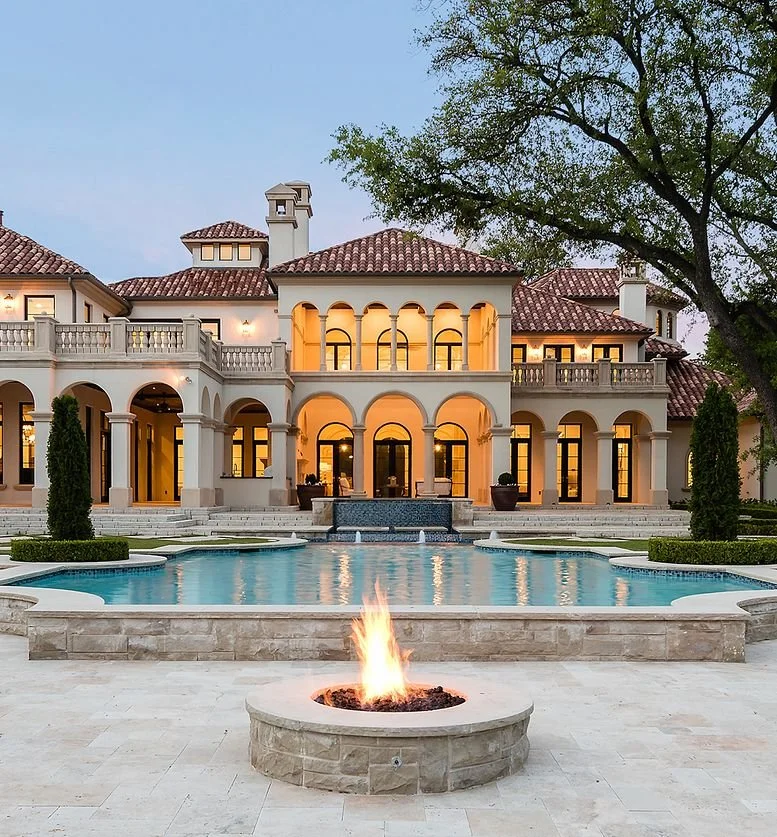
A realistic budget has more layers than the construction contract. Most surprises come from the layers people forget to plan for.
Land. Purchase price plus site preparation, which depends heavily on topography and anything already standing on the lot.
Hard costs. The house itself: labor, materials, systems, and finishes. Your tier drives this line more than anything else.
Soft costs. Architecture, engineering, surveys, permits, insurance, and fees that sit outside the construction contract. They are easy to underestimate because none of them show up in a finished room.
Contingency. A reserve for what turns up underground, design changes, and shifts in material pricing. Every serious budget carries one.
Why size and finish compound
Adding square footage raises cost, and it rarely does so on its own. Larger homes tend to bring taller ceilings, more complex rooflines, larger openings, and more specialized trades, so the cost per square foot often climbs as the house grows. A mid-size true-custom home and a large ultra-luxury home can sit on the same street with budgets that are worlds apart.
Where budgets quietly drift
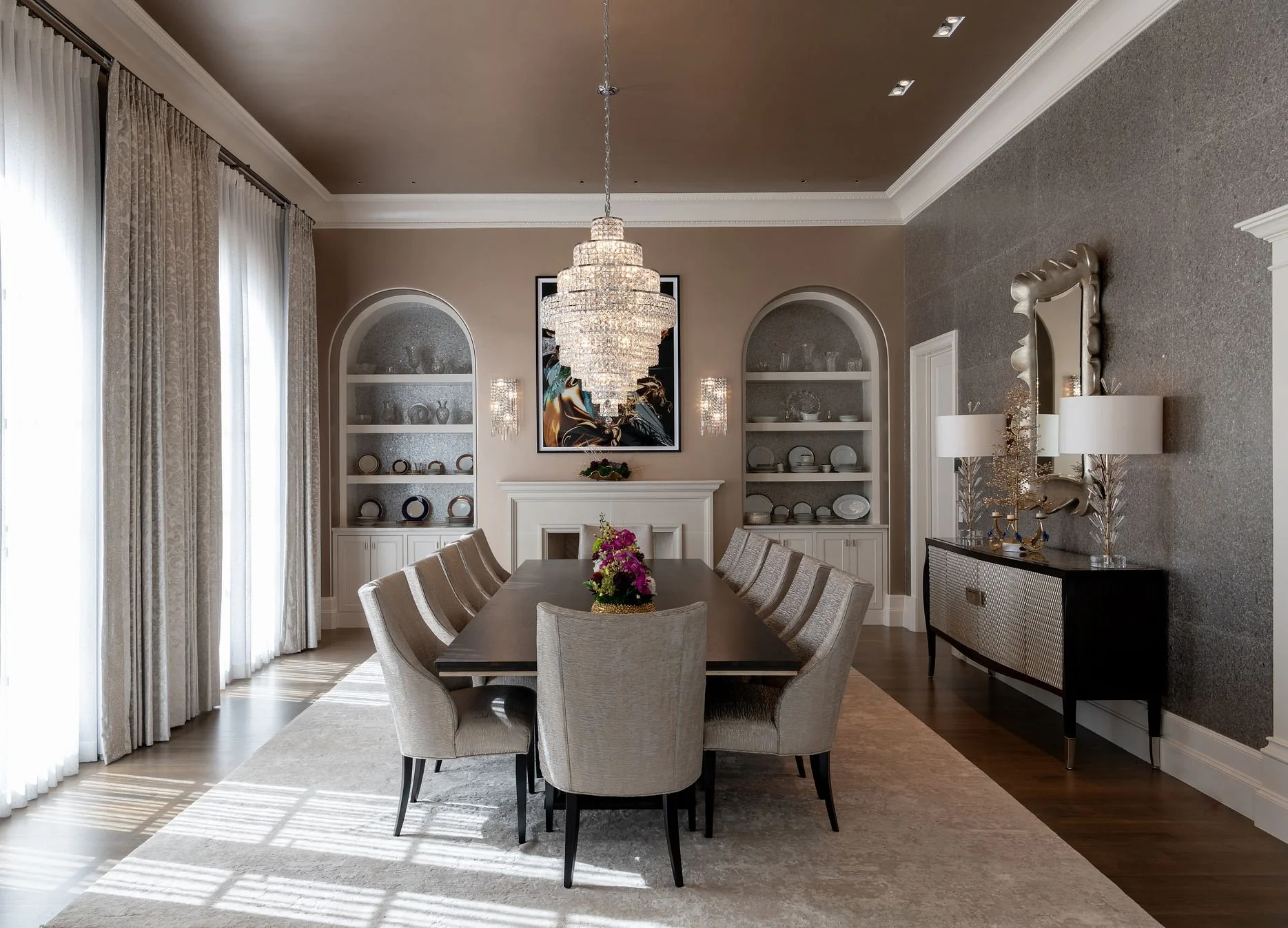
Allowances are the most common source of budget creep. A line item for lighting or plumbing fixtures only means something if it is tied to real products. A low allowance makes a bid look competitive and pushes the real cost into construction, when changes are hardest to absorb.
Getting to a real number
Bella Custom Homes starts with a paid pre-construction phase before any construction contract exists. That phase produces a real fixed price budget built from your drawings, your lot, and priced selections, with allowances tied to actual products and every soft cost listed rather than assumed. Clients leave knowing what their house costs and why, whether or not they build with us. You can read more about how we work, or see what we do as a luxury custom home builder in Dallas–Fort Worth. If you are early and want a straight answer about what your project would take, start a conversation with us.
